
Places to Visit
Places to Visit
“A land of many worlds, waiting to be explored.”
Culture | Heritage | Nature | Spirituality | Unforgettable Experiences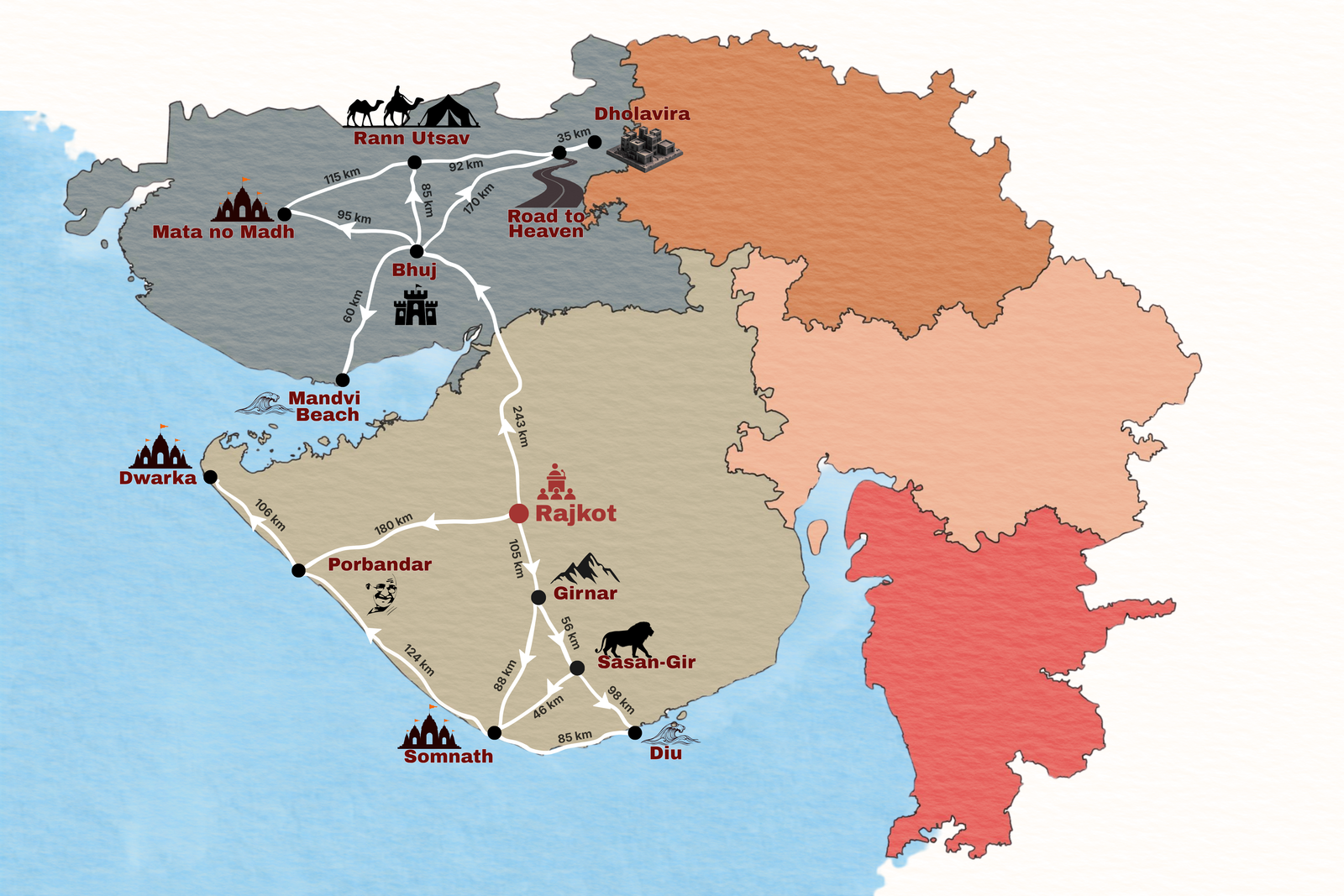
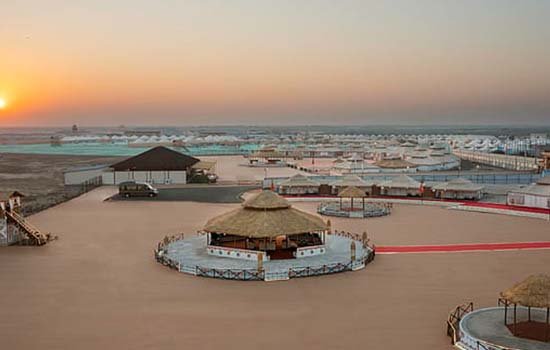
Rann Utsav – Kutch
- Set against the vast white salt desert of the Rann of Kutch, Rann Utsav celebrates the region’s vibrant culture, crafts, music, and traditions.
- The seasonal festival offers a glimpse into the region’s distinctive landscapes and cultural heritage.
- Its colorful celebrations showcase traditional art, handicrafts, cuisine, and local communities.
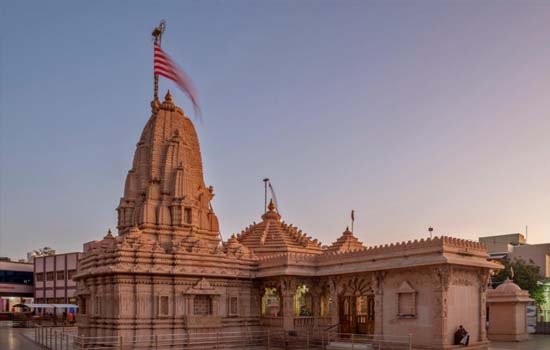
Mata no Madh
- Mata no Madh is an important pilgrimage site dedicated to Maa Ashapura, the revered patron deity of the region.
- Set amid distinctive landscapes, the temple holds deep religious and cultural significance.
- The site draws devotees year-round and remains an important center of local faith.

Road to Heaven
- The Road to Heaven is a scenic route through striking salt landscapes, offering expansive views of the region’s unique terrain.
- Its passage through the vast landscape offers a distinctive experience of the area’s natural beauty.
- The route is particularly known for its dramatic horizons, open spaces, and changing light.
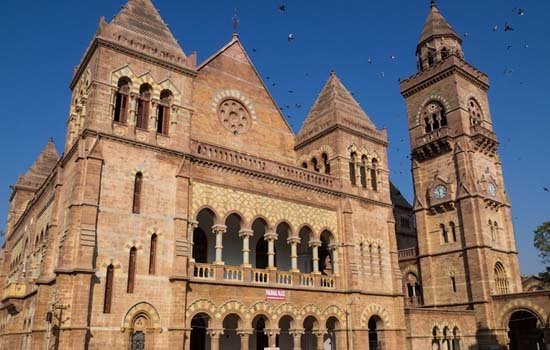
Bhuj
- Bhuj is a historic city and an important cultural center, known for its traditional crafts, architecture, and vibrant heritage.
- The city serves as a gateway to diverse cultural landscapes and communities.
- Its museums, historic sites, handicrafts, and surrounding villages reflect the region’s rich cultural traditions.
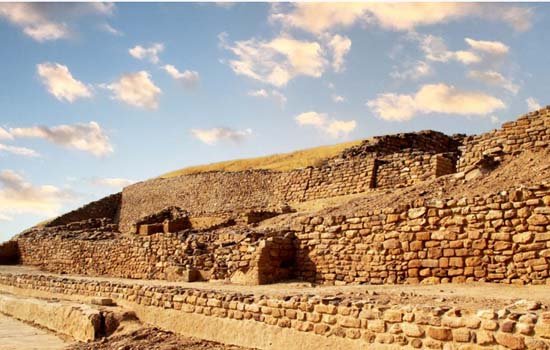
Dholavira
- Dholavira is one of the most remarkable archaeological sites of the Indus Valley Civilization, featuring an ancient urban settlement and sophisticated planning.
- Its well-preserved structures, reservoirs, streets, and water-management systems reveal the ingenuity of an early urban society.
- The site offers valuable insight into the region’s ancient history, culture, and technological achievements.
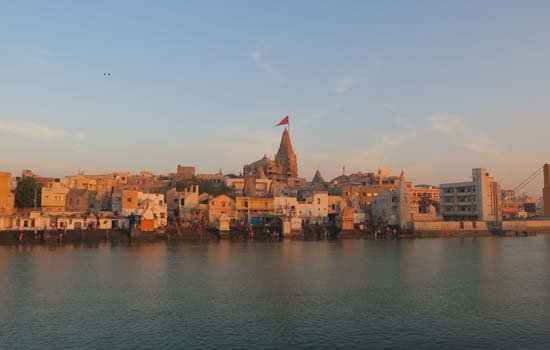
Dwarka
- Dwarka, one of Gujarat’s most revered pilgrimage destinations, is traditionally associated with Lord Krishna and the ancient city of Dwarka.
- The town is known for its sacred temples, coastal setting, and rich spiritual heritage.
- Its location along the Arabian Sea adds a distinctive character to this historic pilgrimage centre.
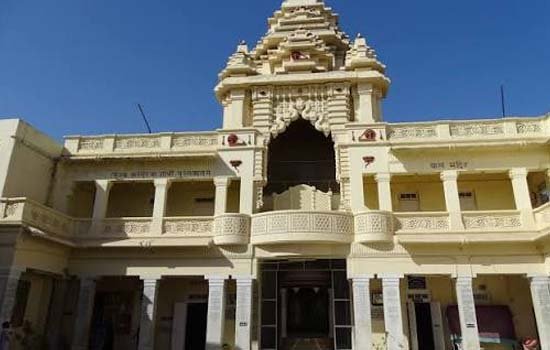
Porbandar
- A Porbandar, a historic coastal town on the Arabian Sea, is best known as the birthplace of Mahatma Gandhi and has a rich maritime heritage.
- Its traditional architecture, coastline, and cultural history reflect the distinctive character of western Saurashtra.
- The city remains closely associated with Gandhi’s early life and India’s modern history.
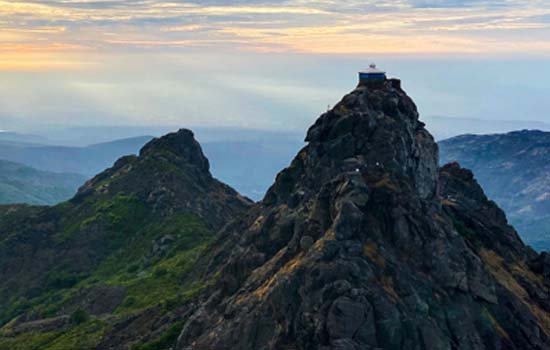
Girnar
- Rising dramatically above Junagadh, Girnar is an ancient mountain landscape of exceptional religious, cultural, and ecological significance.
- Its forested slopes, historic temples, and diverse habitats make it one of Saurashtra’s most distinctive landmarks.
- The mountain also forms an important landscape for wildlife and pilgrimage.

Sasan-Gir
- The Gir landscape is renowned for its dry deciduous forests, grasslands, rocky terrain, and rich biodiversity.
- It is globally recognized as the last natural stronghold for the Asiatic lion, alongside numerous other species.
- Its mosaic of forests and open habitats supports a remarkable diversity of wildlife.
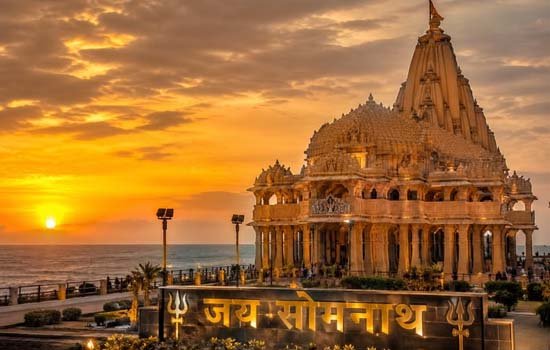
Somnath
- Located on the Arabian Sea, Somnath is one of India’s most important pilgrimage sites and is home to the revered Somnath Temple.
- Its coastal landscape and long history have made it an enduring cultural landmark in Saurashtra.
- The site holds deep religious significance and remains an important destination for pilgrims.
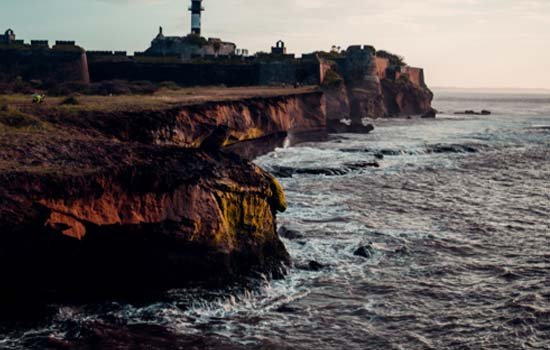
Diu
- Diu is a small coastal island renowned for its Portuguese-era heritage, historic fort, beaches, and distinctive cultural landscape.
- Its architecture and Arabian Sea setting reflect centuries of interaction among diverse maritime cultures.
- The island’s historic monuments and coastal environment contribute to its distinctive character.